
Bajaj Pulsar F250 vs Kawasaki Z900
Technical comparison of performance curves, real-world dyno numbers, verified ratings, and full dynamic spec sheets.
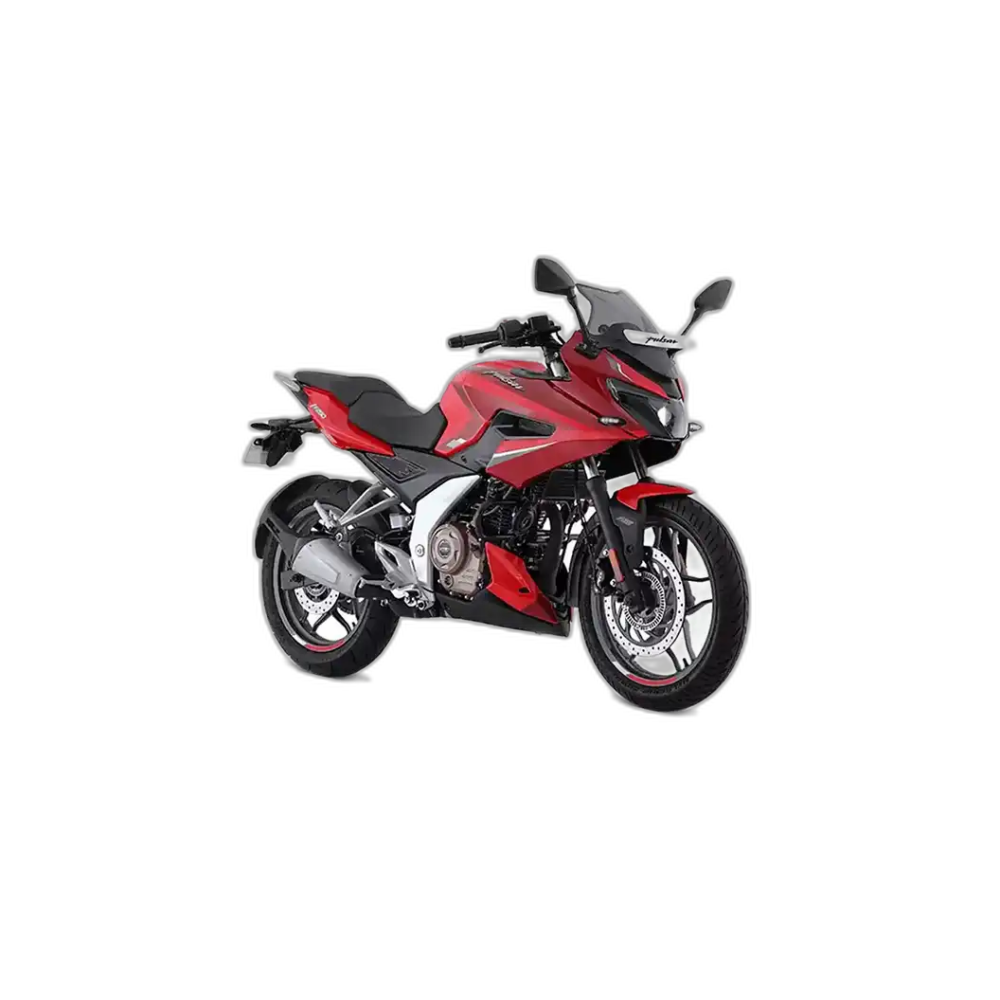

Kawasaki Z900
Quick Verdict
The Value Argument
Maximizes features per taka spent at ৳365,100. Ideal balance of equipment and accessible dealer pricing without sacrificing daily road manners.
The Performance Benchmark
Delivers class-leading punch with 123.3 bhp and sharp throttle response. Backed by Dual-ch. ABS for riders demanding confidence in high-speed and emergency scenarios.
The Dyno Room
Claimed Top Speeds
AI Analysis Engine
AI Engine Recommendation
Comparing power-to-weight, braking safety gear, real mileage data, and dealer price points across this matchup. Use the 5-point radar breakdown below to balance your budget against your daily riding style.
Bajaj Pulsar F250 ( Bajaj Pulsar F250)
Kawasaki Z900
Specification Sheet
Bike Information
11
| Bike Name | Bajaj Pulsar F250 | Kawasaki Z900 |
| Brand | Bajaj | Kawasaki |
| CC | 250 | 948 |
| Regular Price | 365100 | — |
| Bike Type | Sports | Naked / Streetfighter |
| Distributor/Seller | Uttara Motors Limited | Asian Motorbikes |
| Model Year | 2025 | 2026 |
| Brand Origin | India | Japan |
| Made In | India | — |
| Assemble In | Bangladesh | — |
| Launched Date | 2025-05-02 | — |
Engine
15
| Engine Type | Single cylinder, 4 stroke, SOHC, 2 valve, Oil cooled, FI | 4 Stroke, DOHC, 16 Valve, In-Line Four |
| Displacement | 249.07 | 948 |
| Maximum Power | 24.1 Bhp @ 8750 RPM | 123.3 Bhp (125 PS) @ 9500 RPM |
| Maximum Torque | 21.5 NM @ 6500 RPM | 98.6 NM @ 7700 RPM |
| Bore | 72.0 mm | 73.4 mm |
| Stroke | 61.17 mm | 56.0 mm |
| Compression Ratio | 10.3 ± 0.3:1 | 11.8:1 |
| Valves | 2 | 16 valve |
| Fuel Supply | Fuel Injection | Fuel Injection (DFI with Dual Throttle Valves) |
| No of Cylinders | 1 | 4 |
| Engine Cooling | Oil-Cooled | Liquid Cooled |
| Starting Method | Electric | Electric |
| Engine Oil Grade | 10W40 | N/A |
| Engine Oil Capacity | 1.7 L (Without Filter) | 3.8 Litres |
| Best Lube For | Mobil Racing 4T 10W40 | N/A |
Transmission
4
| Transmission Type | Manual | Manual |
| No of Gears | 5 | 6 |
| Clutch Type | Assist And Slipper Clutch | Wet, Multiple-Disc, Assist & Slipper Clutch |
| Drive Type | Chain Drive | Chain Drive |
Mileage & Top Speed
2
| Mileage | 35 Kmpl (Approx) | 17.5 Kmpl (Approx) |
| Top Speed | 130 Kmph (Approx) | 240 Km/h (Approx) |
Chassis & Suspension
3
| Chassis Type | Tubular | Steel Trellis Frame |
| Front Suspension | 37 mm telescopic fork | 41 mm Inverted Fork with Rebound Damping and Spring Preload Adjustability |
| Rear Suspension | Monoshock adjustable | Horizontal Back-Link with Rebound Damping and Spring Preload Adjustability |
Brakes
6
| Front Brake Type | Single Disc | Dual Disc Brake |
| Rear Brake Type | Disc Brake | Disc Brake |
| Front Brake Diameter | 300 mm | 300 mm |
| Rear Brake Diameter | 230 mm | 250 mm |
| Anti-Lock Braking System (ABS) | Dual-Channel | Dual Channel ABS |
| Braking System | Dual-Channel ABS | Dual Channel ABS |
Wheels & Tyres
4
| Front Tyre Size | 100/80-17 | 120/70 ZR17 M/C (58W) |
| Rear Tyre Size | 140/70-17 | 180/55 ZR17 M/C (73W) |
| Tyre Type | Tubeless | Tubeless |
| Wheel Type | Alloy | Alloy |
Dimensions
8
| Overall Length | 1989 Mm | 2070 mm |
| Overall Width | 743 Mm | 825 mm |
| Height | 1143 Mm | 1080 mm |
| Ground Clearance | 165 Mm | 145 mm |
| Weight | 164 kg | 212 Kg |
| Fuel Tank Capacity | 14 L | 17 Liters |
| Wheelbase | 1351 Mm | 1455 Mm |
| Seat Height | 795 Mm | 820 mm |
Electricals
5
| Battery Type | mf | Lead Acid (Maintenance Free) |
| Battery Voltage | 12 V, 8 Ah | 12V |
| Head Light | Bi functional LED projector headlamp-Low 18.4W, High 30.8W | Led |
| Tail Light | LED | Led |
| Indicators | LED | Led |
Features
8
| Speedometer | Digital | Digital |
| Odometer | Digital | Digital |
| RPM Meter | Analog | Digital |
| Handle Type | Three part handle bar | Single piece handle bar |
| Seat Type | Split-Seat | Split Seat |
| Passenger Grab Rail | Yes | Yes |
| Engine Kill Switch | Yes | Yes |
| Additional Feature | USB Charging Port | 4.3-inch Colour TFT Meter, Bluetooth Smartphone Connectivity (Rideology App), Kawasaki Traction Control (KTRC), Integrated Riding Modes (Sport, Road, Rain, Rider), Power Modes (Full / Low), Assist & Slipper Clutch, Gear Position Indicator. |
Media & Gallery
Bajaj Pulsar F250 ( Bajaj Pulsar F250)
Bajaj
2 Photos
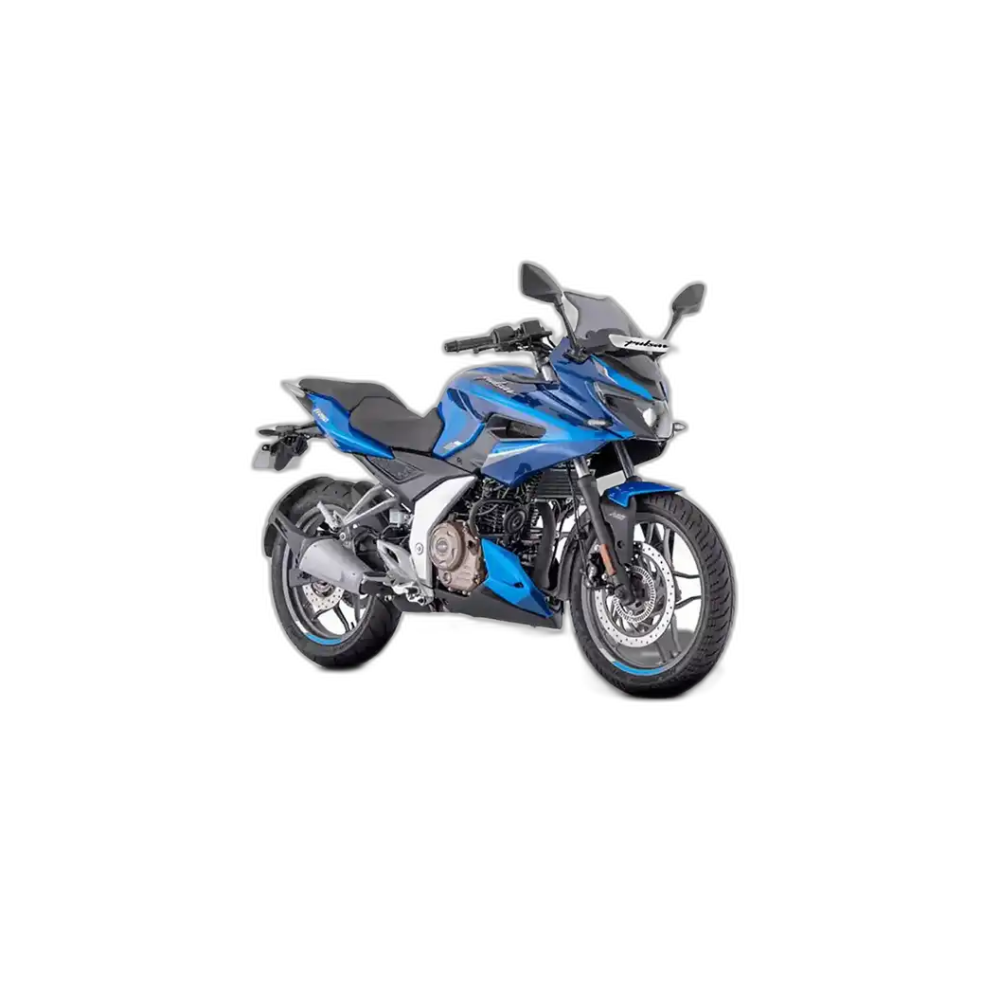
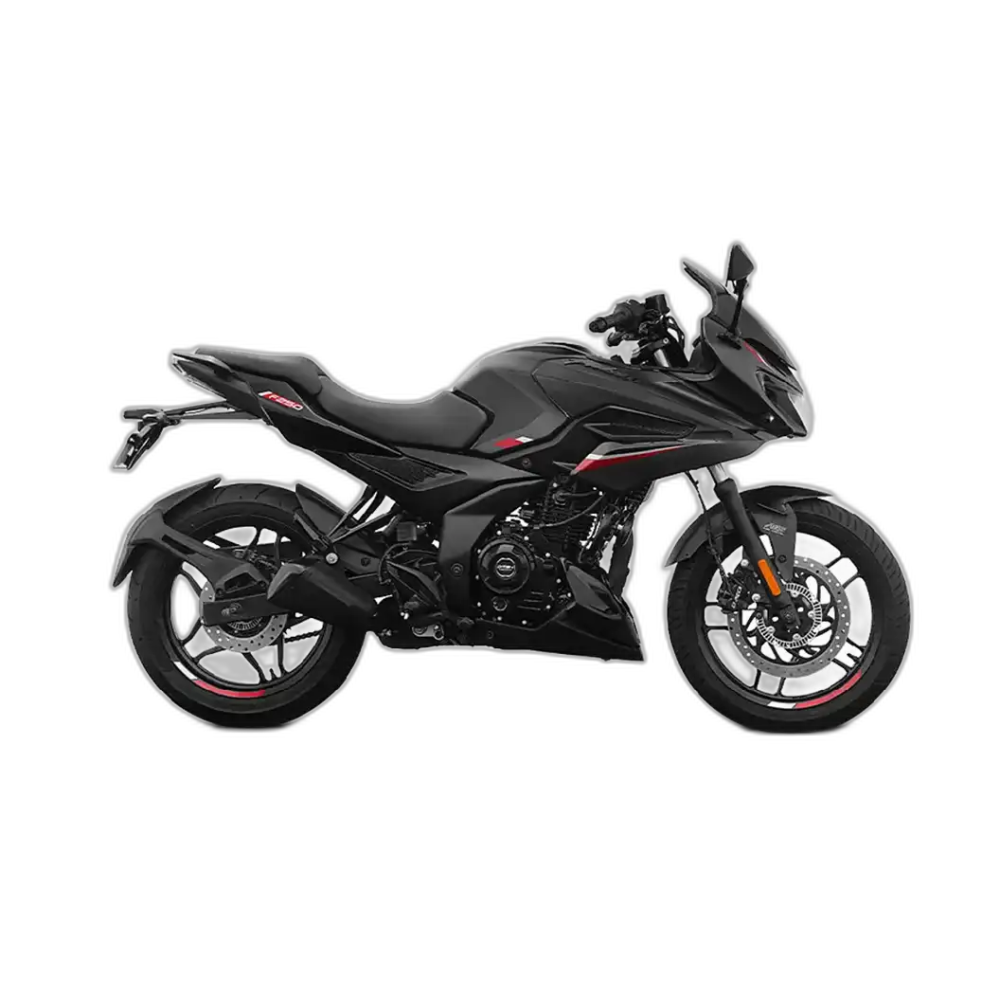
Bajaj Pulsar F250 ( Bajaj Pulsar F250)
Bajaj
Kawasaki Z900
Kawasaki
0 Photos
Kawasaki Z900
KawasakiStrengths & Trade-offs
Kawasaki Z900
- ✓ 125 PS inline-four engine delivers strong, linear power with a thrilling top-end rush.
- ✓ 98.6 Nm torque provides excellent flexibility and mid-range punch.
- ✓ Aggressive Sugomi styling gives it a proper supernaked stance.
- ✓ Rider-friendly electronics including traction control, riding modes and a TFT display with Bluetooth connectivity.
- ✓ Assist and slipper clutch keeps lever effort light and rear-wheel hop in check.
- ✕ 212 kg kerb weight feels heavy in tight city traffic compared with smaller nakeds.
- ✕ Real-world mileage of around 17.5 kmpl makes it costly to run daily.
- ✕ Naked design offers no wind protection at highway speeds.
- ✕ Limited pillion comfort because of the sporty seat design.
- ✕ High purchase and maintenance costs in Bangladesh due to import duties and parts availability.
Frequently Asked Questions
Kawasaki Z900
What is the Kawasaki Z900?
Kawasaki Z900
What is the engine capacity of the Kawasaki Z900?
Kawasaki Z900
How much power does the Kawasaki Z900 produce?
Kawasaki Z900
What is the maximum torque of the Kawasaki Z900?
Kawasaki Z900
How many gears does the Kawasaki Z900 have?
Kawasaki Z900
What is the Kawasaki Z900's top speed?
Kawasaki Z900
What is the mileage of the Kawasaki Z900?
Kawasaki Z900
Does the Kawasaki Z900 have ABS?
Related Bike Comparisons
Bajaj Pulsar N160 (Dual Channel ABS & USD)
Bajaj
৳ 281,000
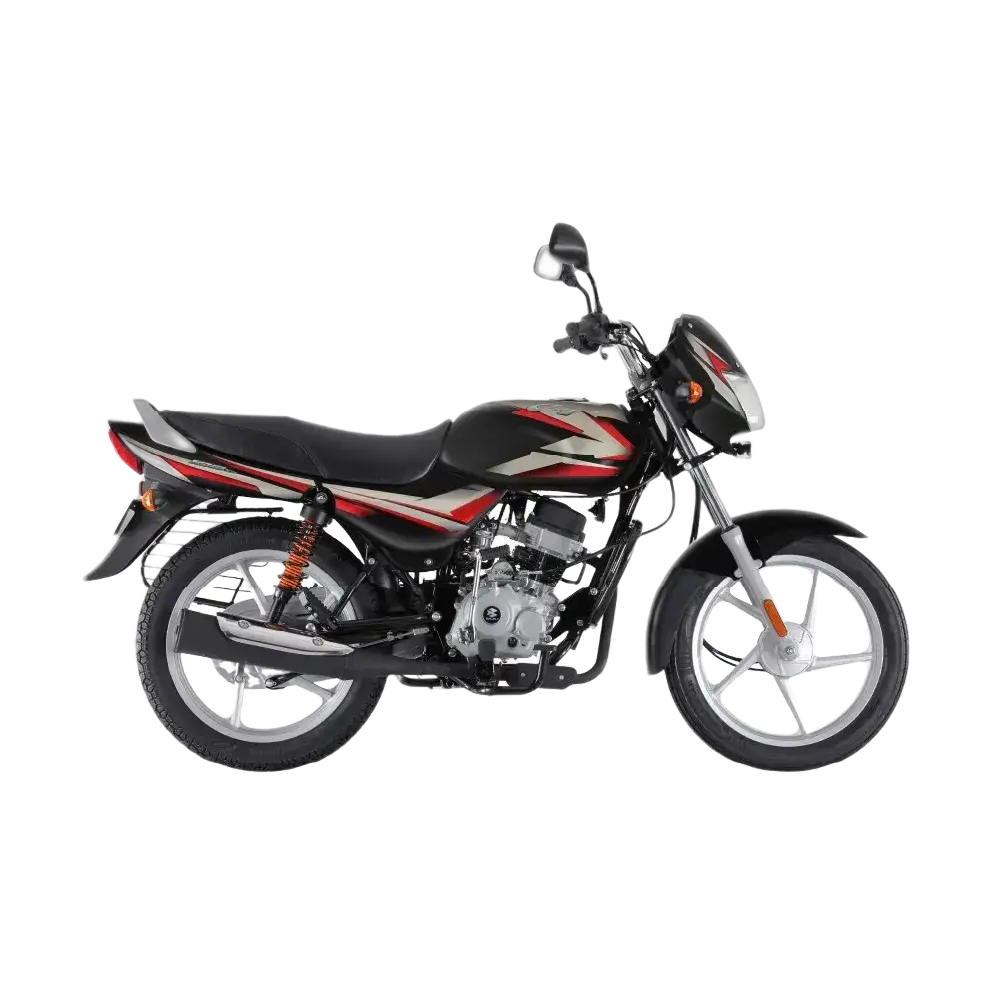
Bajaj CT 100 ES
Bajaj
৳ 120,100
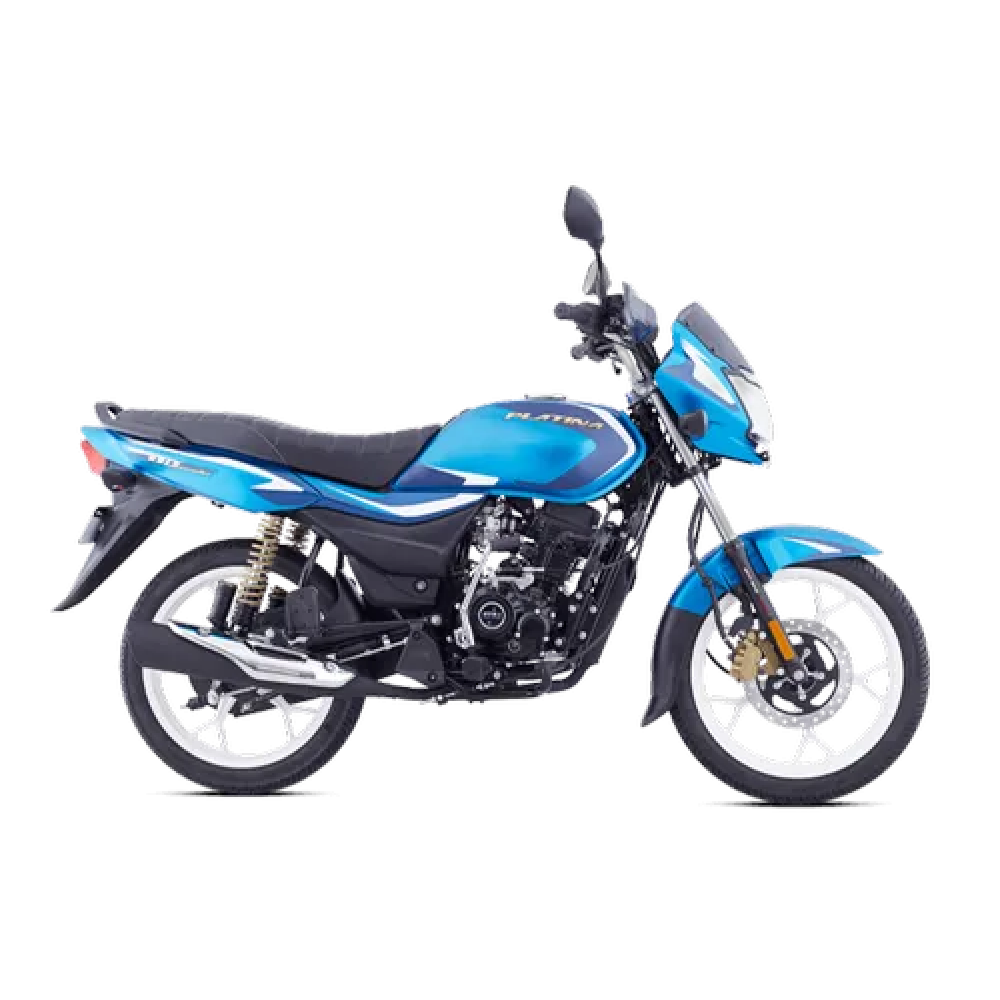
Bajaj Platina 110 H Gear
Bajaj
৳ 140,100
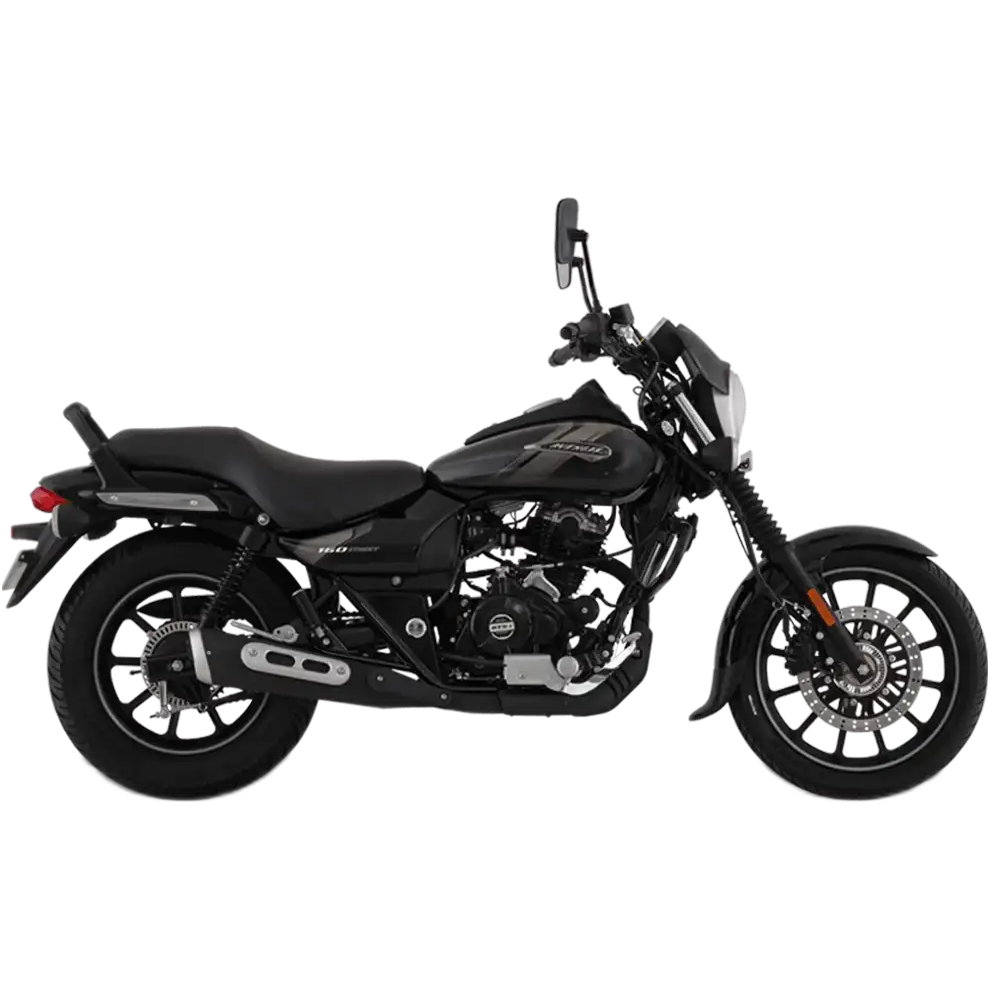
Bajaj Avenger 160 ABS
Bajaj
৳ 274,000
Bajaj Pulsar F250
Bajaj
৳ 365,100
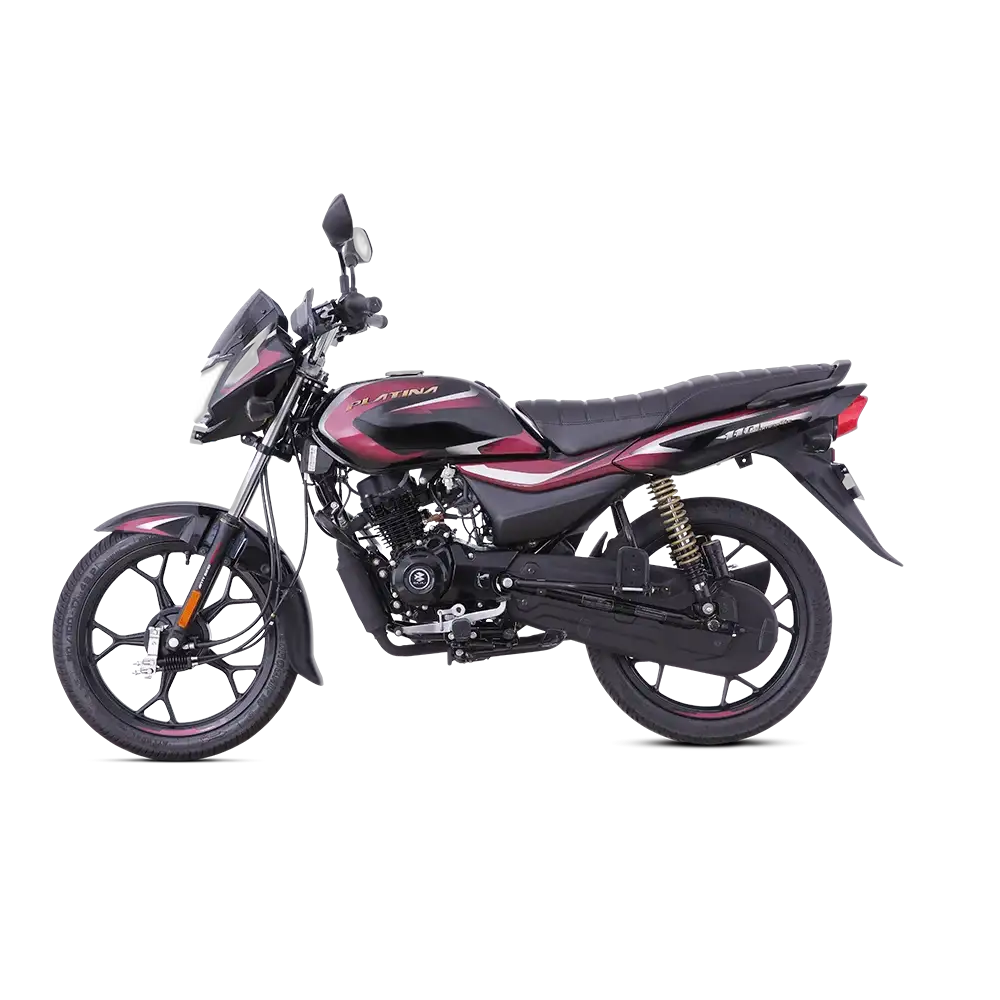
Bajaj Platina ES
Bajaj
৳ 134,350
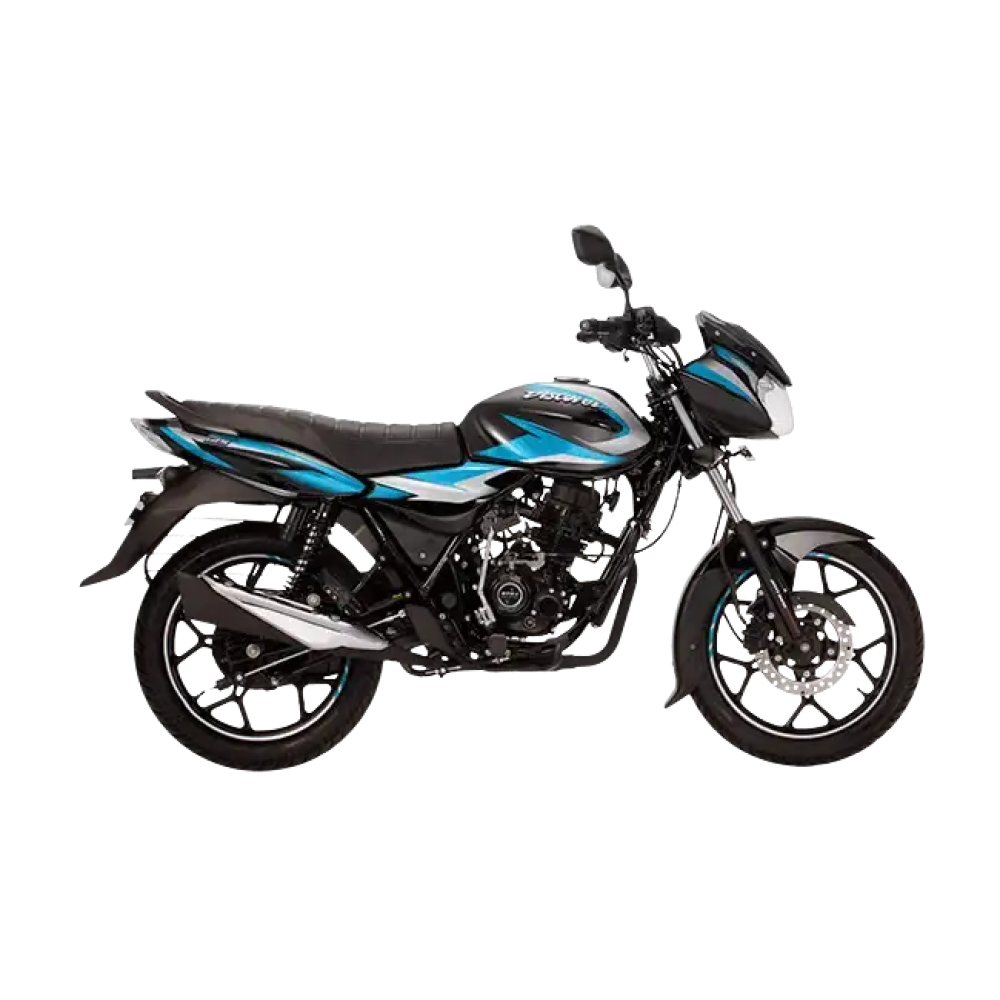
Bajaj Platina ES
Bajaj
৳ 134,350
Bajaj Discover 125 Disc
Bajaj
৳ 160,600
Bajaj Discover 125 Disc
Bajaj
৳ 160,600
Bajaj Avenger 160 ABS
Bajaj
৳ 274,000
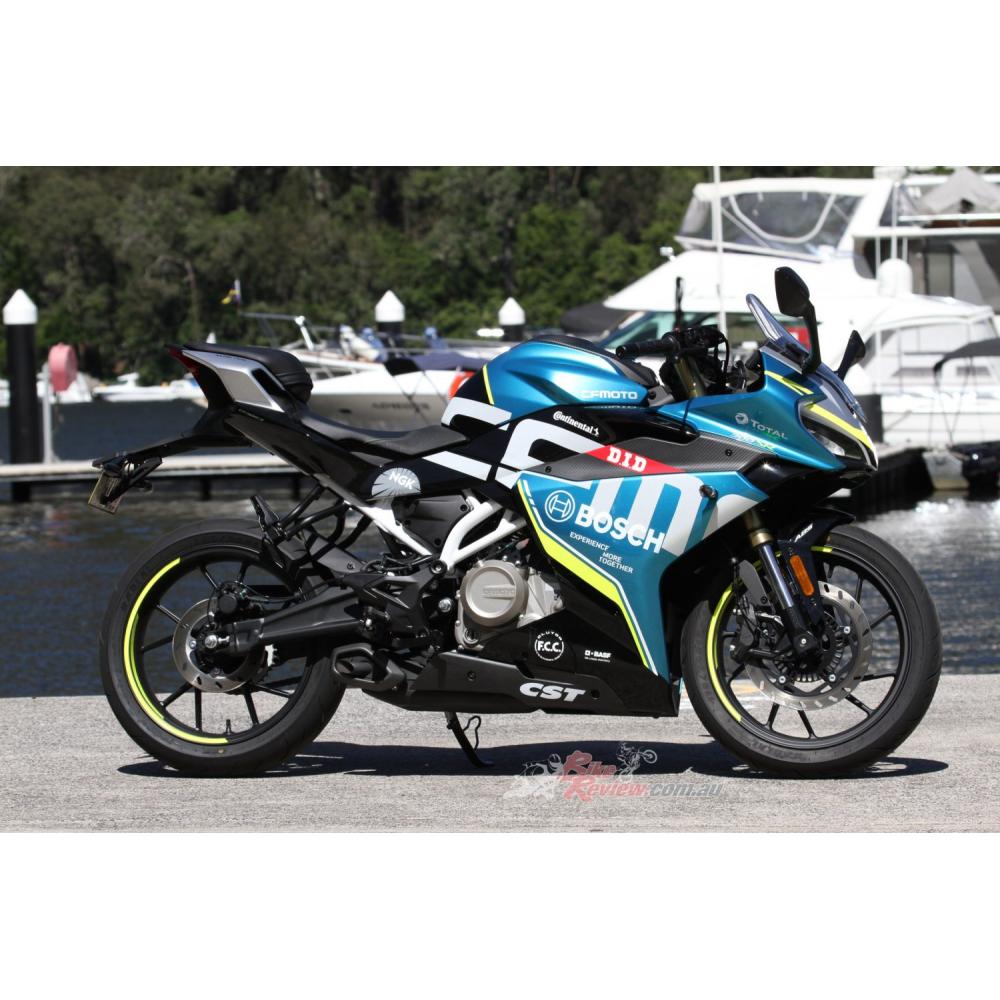
CFMOTO 300SR
CFMOTO
৳ 458,500
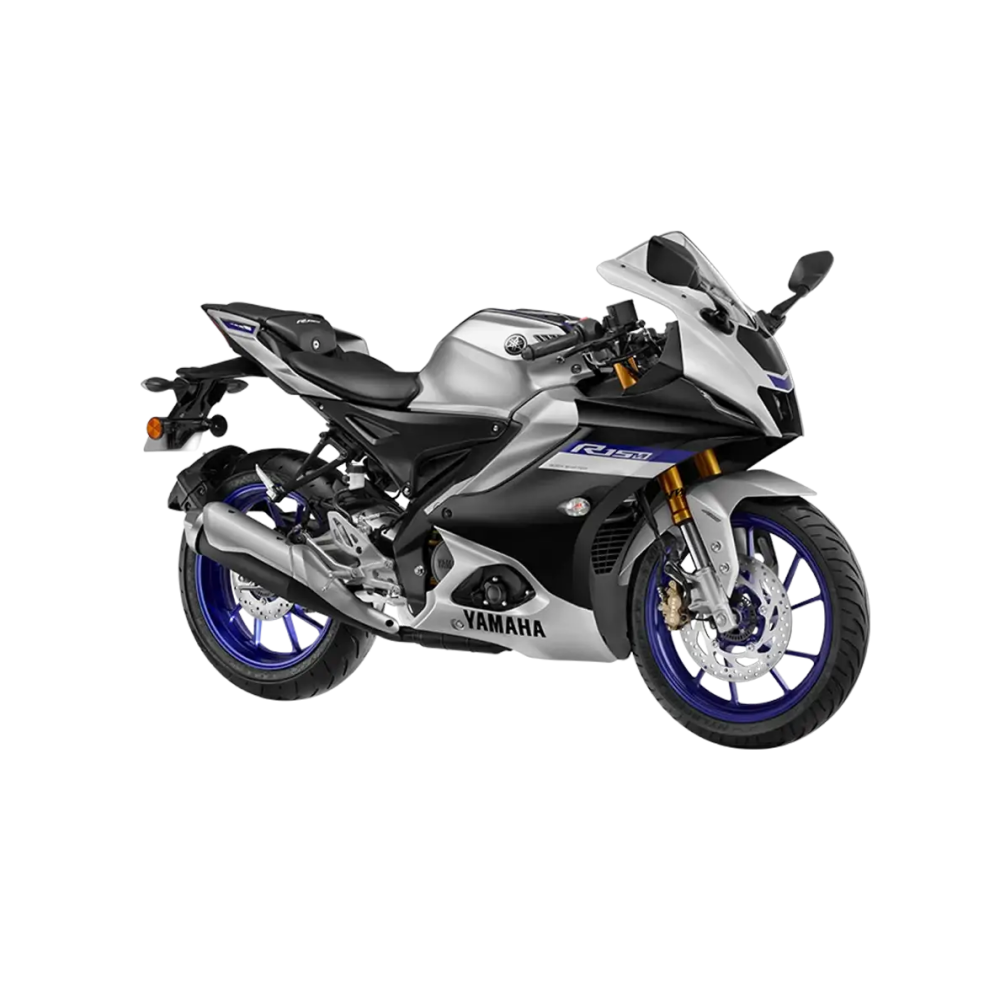
Yamaha R15M BS7
Yamaha
৳ 678,000